Choosing a Quiet Assisted Living Home for Your Loved One
Understanding the Value of a Calm Environment
When families begin searching for assisted living, they often focus on location, cost, or available services. But one factor that quietly shapes daily life is the atmosphere of the community itself. A quiet assisted living home can make a profound difference for seniors who are sensitive to noise, overstimulation, or busy schedules. I have seen how a peaceful setting supports better sleep, reduces anxiety, and helps residents feel secure. In places like Venice, FL, where the pace of life is naturally slower, the concept of a quiet assisted living home takes on a practical meaning. It is not just about absence of loud sounds. It is about thoughtful design, consistent routines, and staff who move with intention.
Many families assume that a larger facility means more activities and better care. But larger communities often come with constant commotion, shift changes, and echoing hallways. For a senior with memory loss or sensory challenges, that can be overwhelming. A small-scale residential setting, by contrast, offers a quieter rhythm. Residents get to know the same faces daily. Meals happen at predictable times. The environment stays calm. This kind of stability is especially valuable for those living with dementia or Alzheimer’s disease. The Alzheimer’s Association has long recommended reducing environmental stress for people with cognitive decline, and a quiet home naturally delivers that.
What Makes a Home Truly Quiet
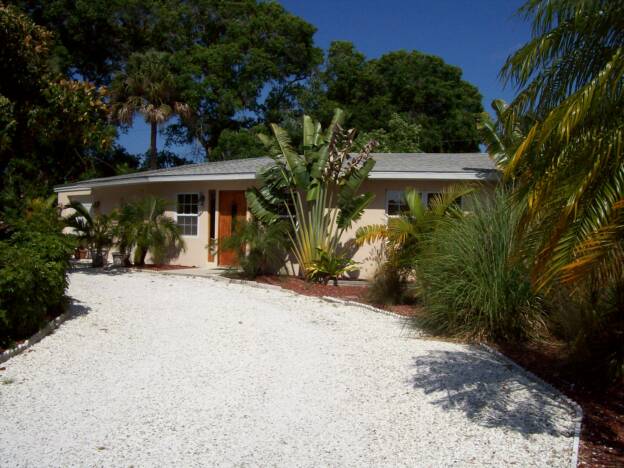
True quiet is not just about decibels. It comes from a combination of factors. Staff training in person-centered care means they learn each resident’s preferences and triggers. A resident who becomes agitated by sudden noise might be seated away from the kitchen or the main entrance. Private rooms allow for retreat when the common area feels too busy. The physical layout matters too. Gardens and outdoor spaces provide a natural buffer. At Magnolia Gardens Assisted Living, for instance, the design incorporates gardens that absorb sound and offer a serene place for reflection. That kind of thoughtfulness is not accidental. It reflects a philosophy that values rest and calm as part of holistic wellness.
Another overlooked element is the scheduling of daily activities. In a busy facility, there might be overlapping events, television playing in multiple rooms, and constant movement. A quiet assisted living home sequences activities with gaps for rest. Music therapy might happen in the morning, followed by a quiet hour before lunch. Social engagement is encouraged but not forced. Residents can choose to participate in group activities or sit in the garden alone. This respect for individual pace is central to individualized support. It is also why many families cite a calm environment as one of the top reasons they chose a particular community.
Practical Benefits of a Quiet Setting
Beyond emotional comfort, a quiet home has measurable benefits for health and safety. Medication management is more accurate when staff are not distracted by noise. Licensed nursing staff can monitor residents more attentively in a calm environment. Falls are less likely when hallways are quiet and free from sudden alarms or loud announcements. 24-hour supervision in a small setting means staff can notice subtle changes in a resident’s condition. That early detection can prevent hospitalizations. Nutritional meals are served in a dining room where conversation can happen without shouting. All of these details add up to better daily living assistance.
For families considering memory care, the quiet factor is even more critical. Dementia care requires consistency. A resident with memory loss may become confused by changing schedules or unfamiliar staff voices. In a small-scale residential home, the same caregivers work the same shifts. Residents form trusting relationships. That trust reduces agitation and wandering. Private rooms give residents a familiar sanctuary. Family visitation feels natural and unhurried. I have spoken with families who drove hours to visit their loved ones and found them sitting quietly in the garden, content and calm. That peace of mind is hard to quantify but deeply valuable.
Respite Stays and the Quiet Advantage
Respite stays are a temporary option that many families do not know about. A short stay in a quiet assisted living home can give a primary caregiver a break while introducing the senior to a calm environment. During a respite stay, the resident receives the same level of care as long-term residents. They get daily living assistance, medication management, and social engagement. But the quiet atmosphere helps them adjust quickly. I have seen seniors who were anxious about the idea of assisted living relax within a few days because the home felt peaceful. The gardens, the soft lighting, and the unhurried staff all contribute to that impression. For families in Venice, FL, this can be a gentle way to test if a particular community is a good fit before making a permanent decision.
Comparing Quiet Homes to Larger Facilities
It would be misleading to say that quiet homes are better for everyone. Some seniors thrive in a bustling environment with many activities and a lively social scene. But for those who are introverted, have sensory sensitivities, or are living with memory loss, a quiet home is often the better choice. The trade-off can be fewer organized activities. A small home may not have a full-time activities director or a large gym. But what it offers in calm and personalized attention often compensates. Florida assisted living regulations require certain standards, but the culture of the home determines the daily experience. A quiet home that prioritizes person-centered care can provide a richer quality of life than a larger facility with more amenities but more chaos.
When touring a potential community, families should pay attention to the sound level. Is the television on in the common area? Are staff members speaking loudly or calmly? Do residents seem relaxed or agitated? A quiet home will feel different from the moment you walk in. The staff will greet you without rushing. Residents might be reading, resting, or talking softly. That first impression is often the most honest. I recommend spending an hour just sitting in the common area. Observe how staff interact with residents. Listen for alarms, intercom announcements, or loud conversations. These details tell you more than any brochure.
Key Features to Look For
Here are some features that contribute to a genuinely quiet assisted living home:
- Private or semi-private rooms that allow for personal space and quiet time.
- Gardens or outdoor seating areas that provide a natural escape.
- Consistent staffing schedules so residents see familiar faces daily.
- Small-scale residential design with fewer residents overall.
- Staff trained in dementia care and person-centered approaches.
These features support a calm environment without sacrificing quality of care. They also make daily living assistance more effective because staff can focus on each individual rather than managing a crowd.
The Role of Holistic Wellness
Holistic wellness in a quiet home includes physical health, emotional well-being, and social connection. Nutritional meals are prepared with dietary needs in mind. Social engagement happens naturally during meals or garden walks. 24-hour supervision ensures safety without being intrusive. Licensed nursing staff handle medication management and coordinate with outside providers. But the quiet atmosphere allows residents to participate in their own care. They feel heard and respected. That sense of agency is crucial for mental health. I have seen residents who were withdrawn in a larger facility begin to smile and engage after moving to a quiet home. The change is not magic. It is the result of consistent, calm attention.
For families in Venice, FL, the search for a quiet assisted living home should include a conversation about memory care needs. If your loved one has Alzheimer’s or another form of dementia, ask about specific training for staff. The Alzheimer’s Association offers resources for families, but the home’s approach matters more. A quiet home that uses person-centered care will adapt to the resident’s changing needs. That adaptability is what makes a home feel like a sanctuary rather than an institution.
Final Thoughts
Choosing a quiet assisted living home is not about finding a place that is silent. It is about finding a place where calm is part of the culture. For seniors who value peace, routine, and personal attention, that environment can be transformative. Families who take the time to visit, observe, and ask questions will recognize the difference. In a quiet home, residents are not just safe. They are content. And that is the goal of any good assisted living community.